
Cart
0
Product
Products
(empty)
No products
Free shipping!
Shipping
0 €
Total
Product successfully added to your shopping cart
Quantity
Total
There are 0 items in your cart. There is 1 item in your cart.
Total products
(tax incl.)
Total shipping (tax incl.)
Free shipping!
Total
(tax incl.)
13
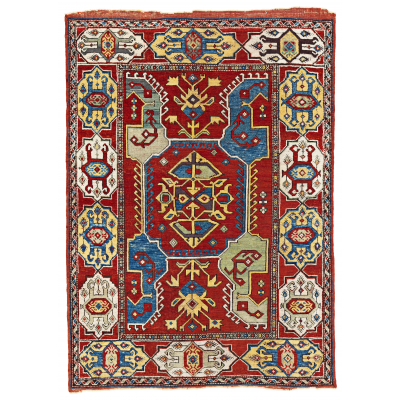
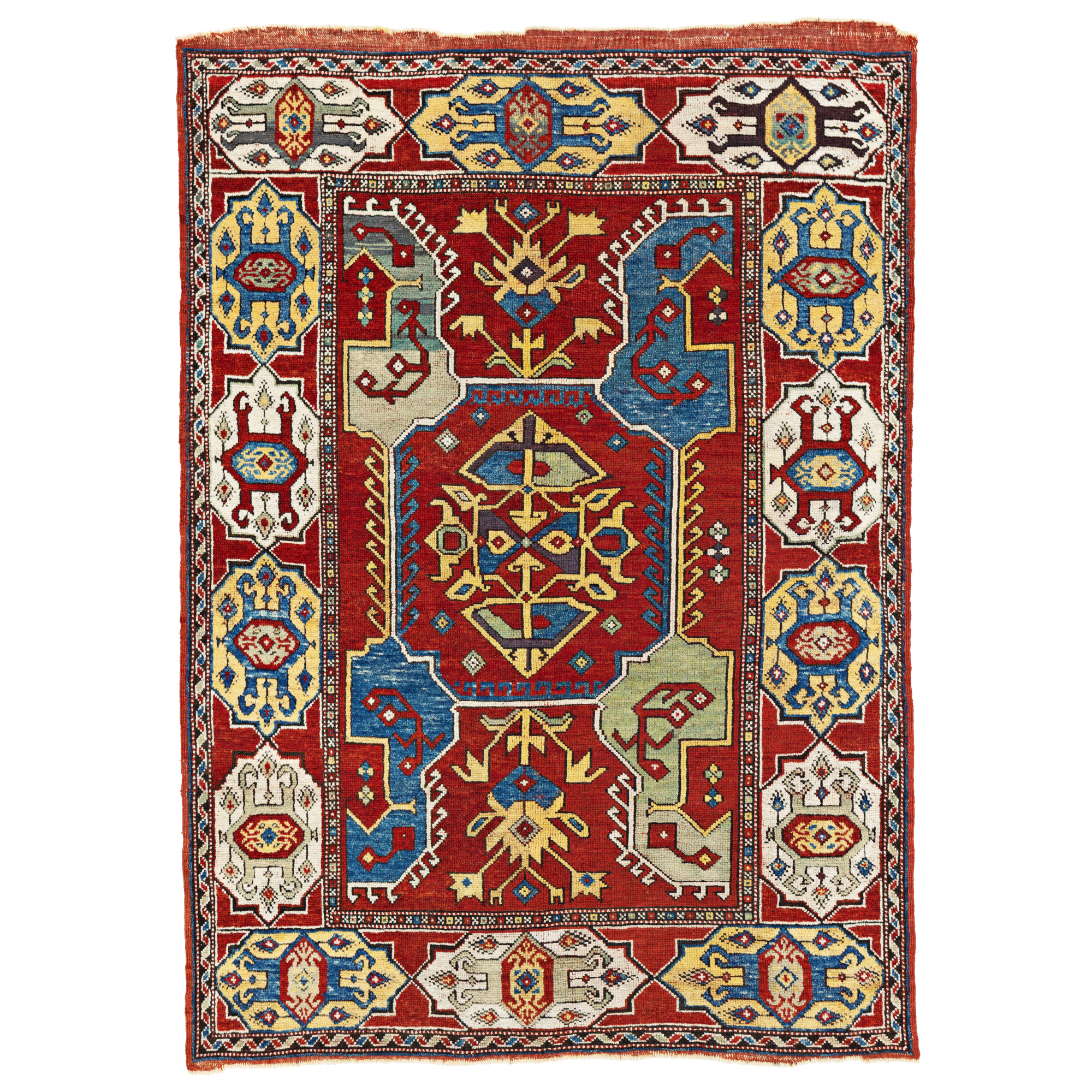
Early Unusual Bergama
New
180 x 131 cm (5' 11" x 4' 4")
Turkey, 18th century
Condition: good for its age, mostly good pile, some professional restorations
Warp: wool, weft: wool, pile: wool
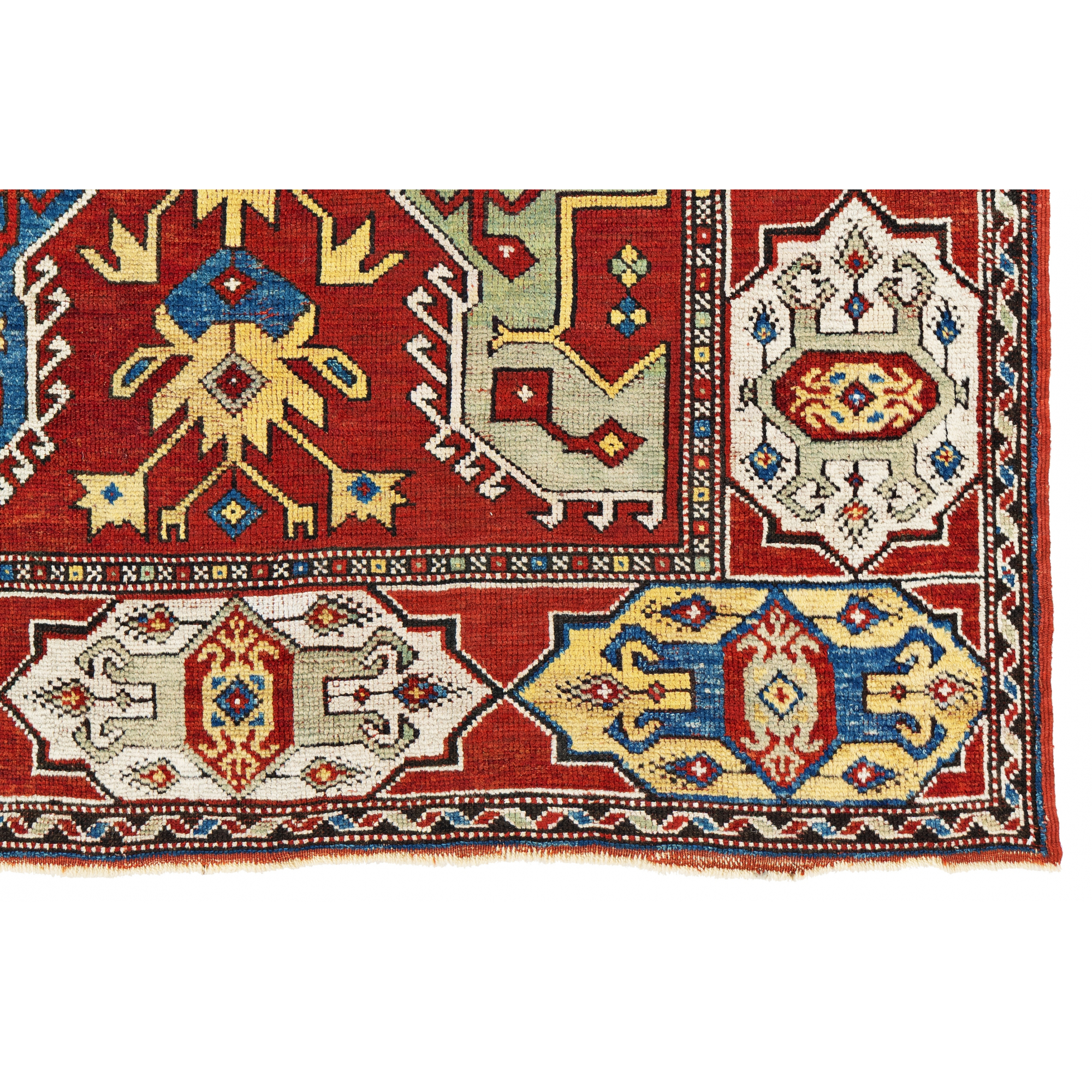
It is always fascinating to observe how rural weavers interpreted Ottoman workshop carpets in their own artistic style. A Star Ushak in the McMullan catalog, No. 68, depicts an urban carpet, while just one page later, under No. 69, the rural variant is shown. The latter is generally dated to the 18th through early 19th century. A specimen that more closely follows the classical Ushak carpets and features a distinctive border is dated by Michael Franses in "Orient Stars II" to 1500-1550. In this context, one should also consider Nos. 39 and 40 in Walter Denny's "Anatolian Carpets."
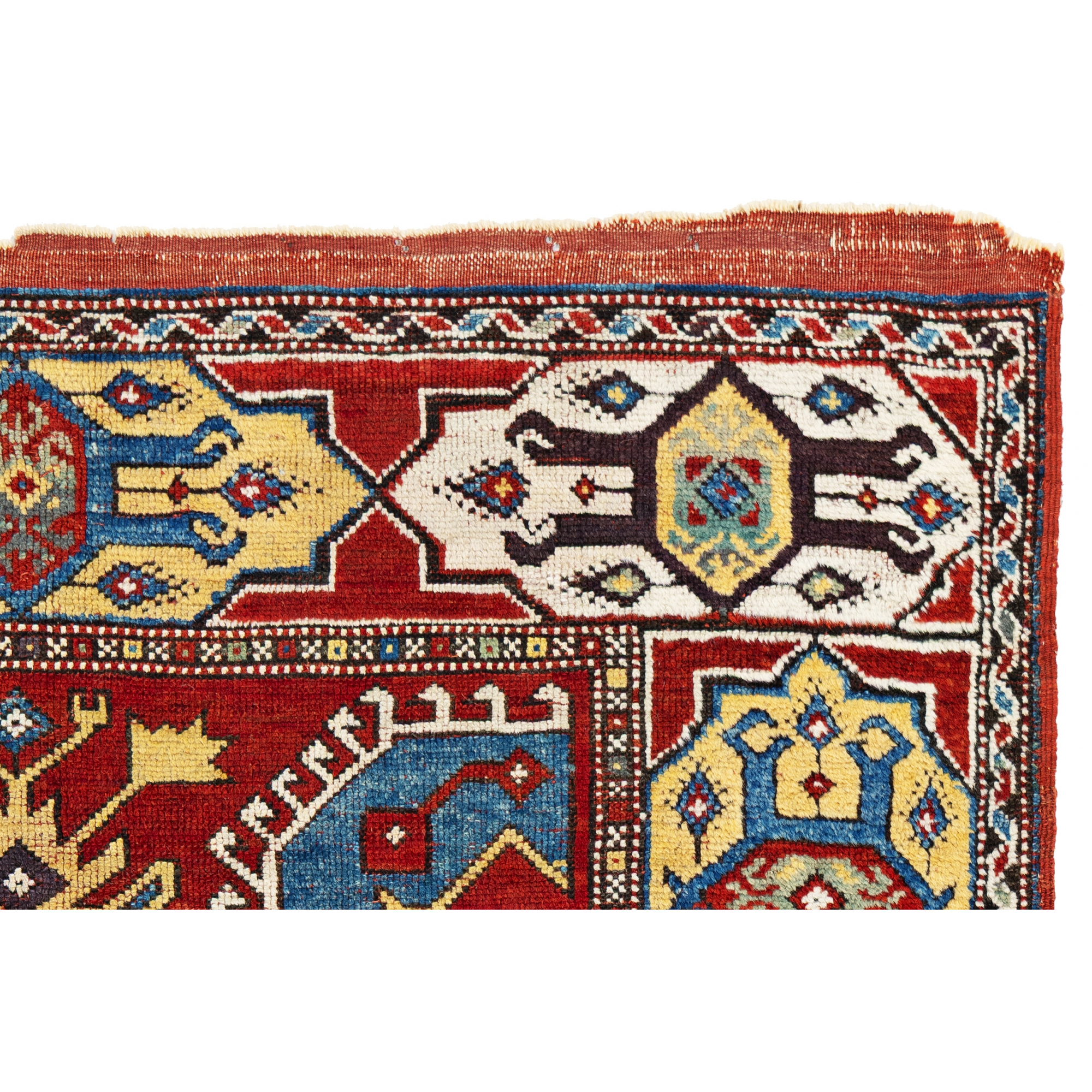
As early as 1922, such a carpet was published in Grote-Hasenbalg, Vol. II, Plate 19. In our carpet, the weaver borrowed the border from the so-called Transylvanian carpets. This border is significantly wider than those typically found in this group. As a result, the field is narrower, and the entire composition is more strongly focused on the main motif.
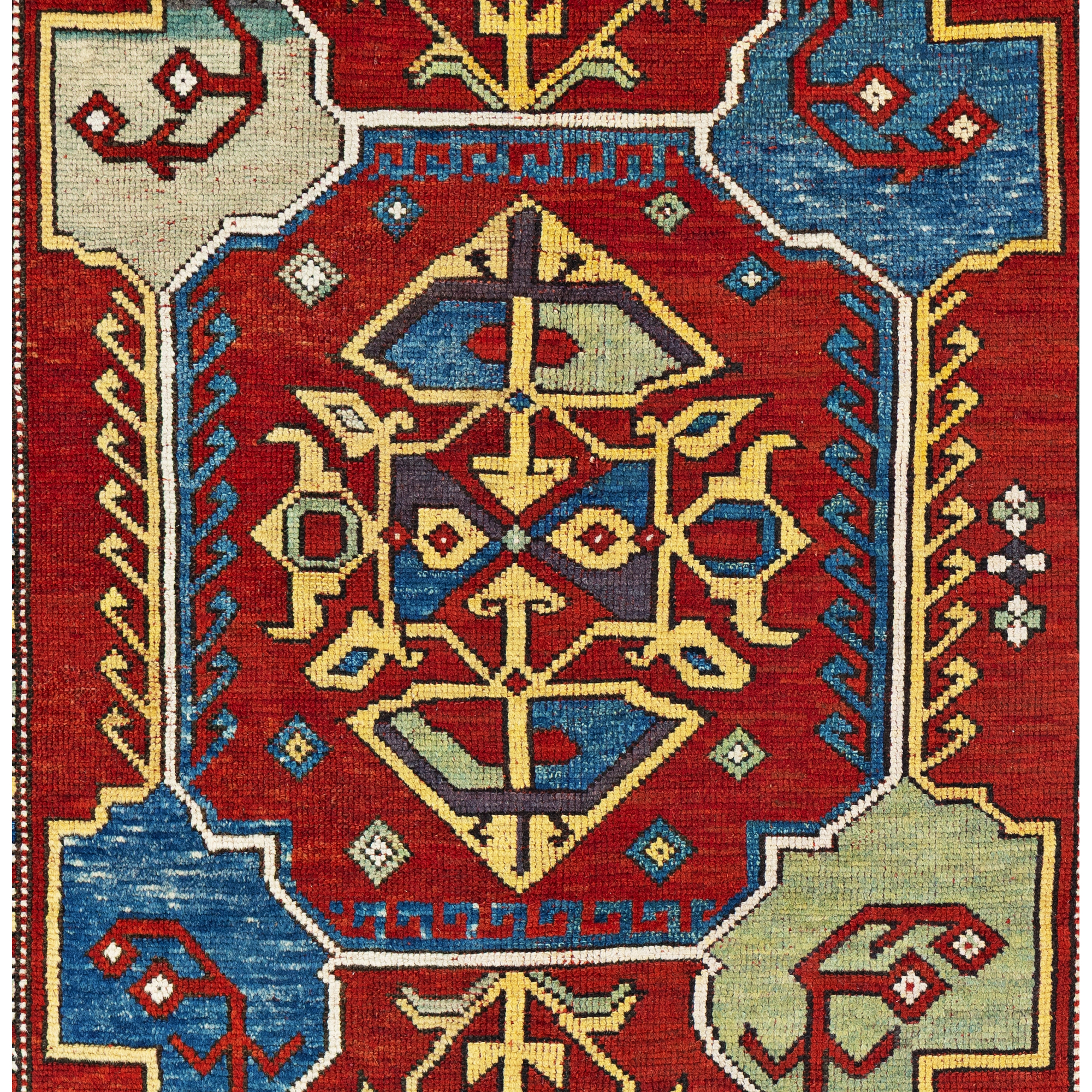
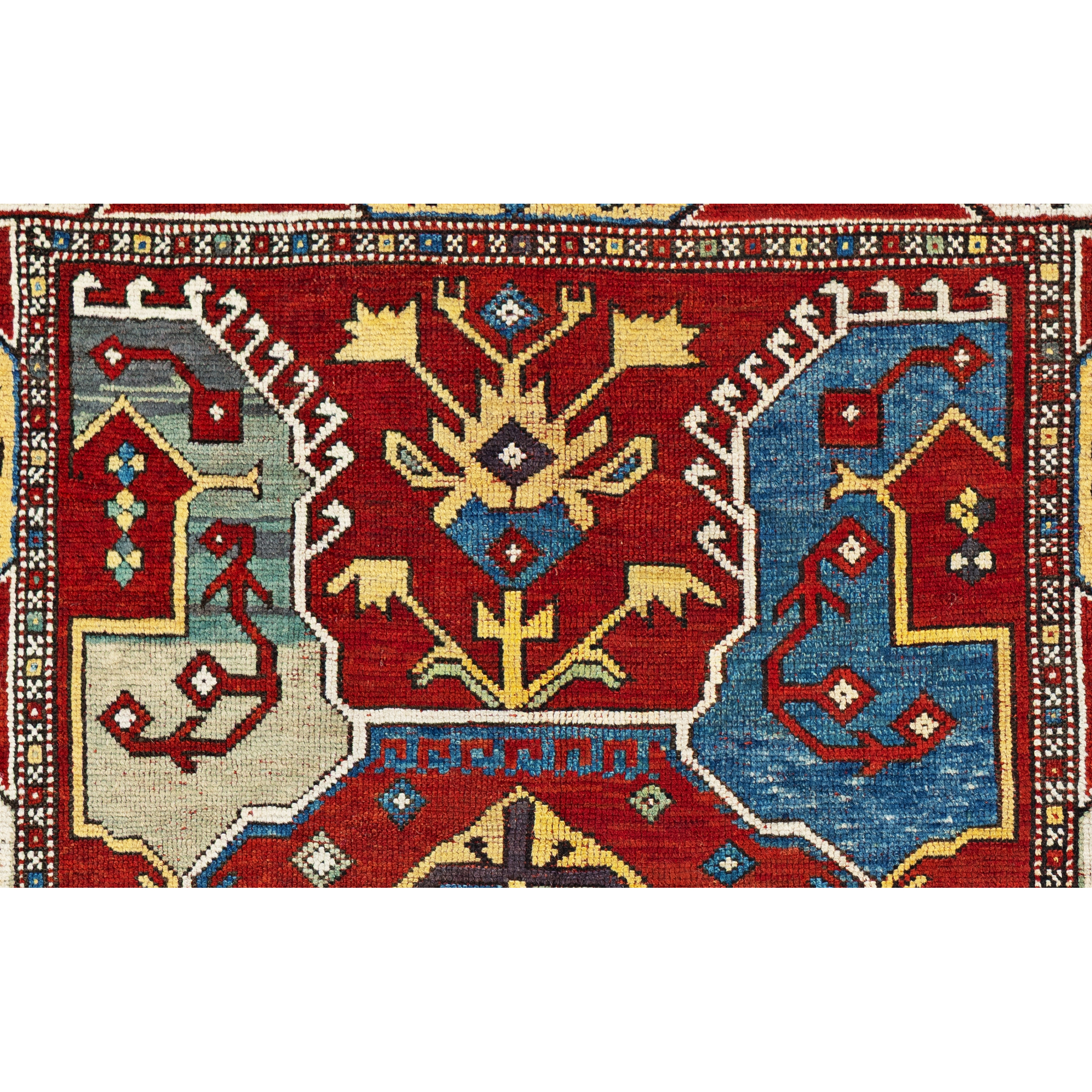
In comparison with the other examples, our carpet omits the triangular shapes extending into the field from the top and bottom and limits itself to the floral motif, which can also be found on the McMullan carpet No. 68. A carpet auctioned at Bukowskis last June displays the same configuration (June 11-13, 2025, Lot 349, SEK 105,000). Another comparable piece was offered at Rippon Boswell on November 29, 2025, as Lot 194.
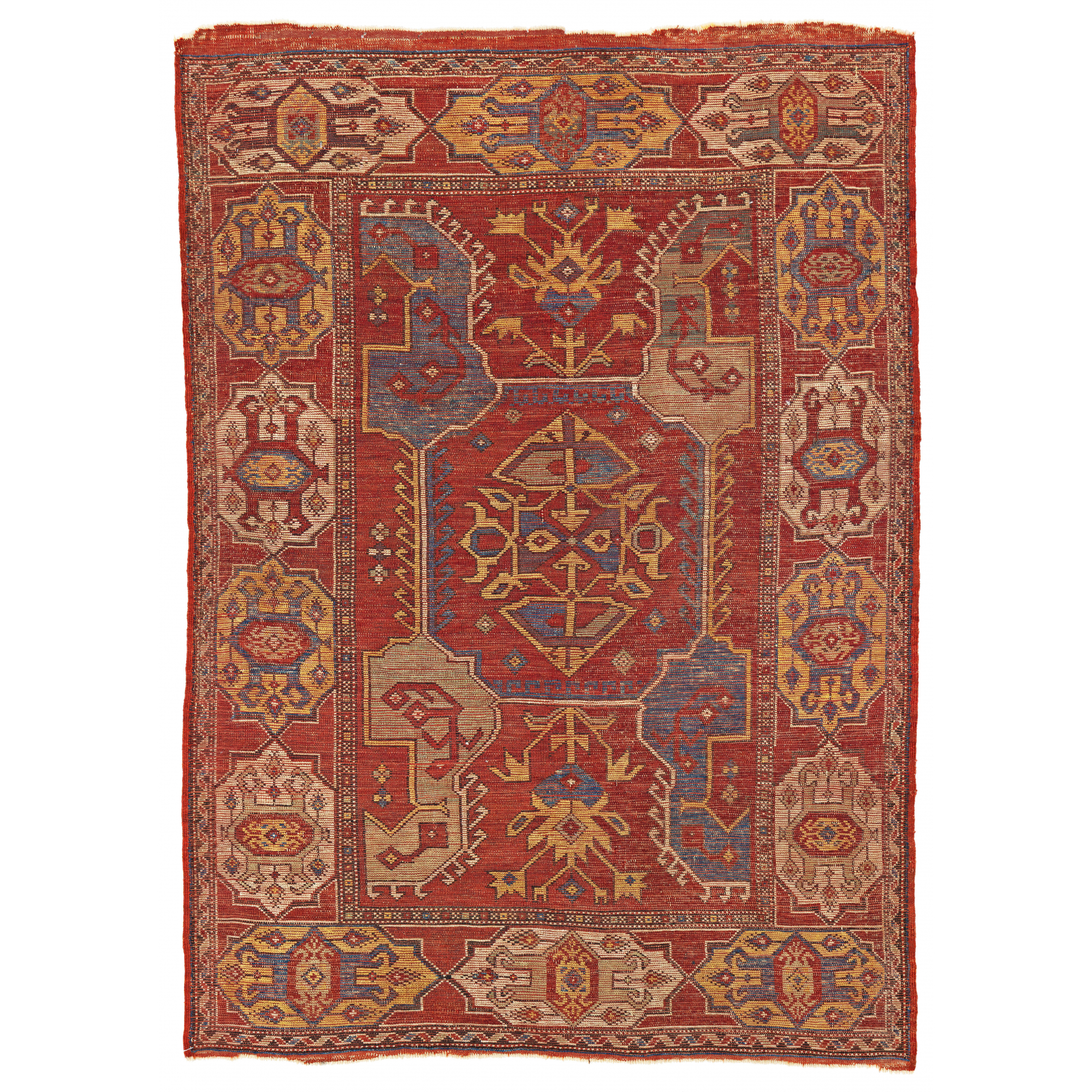
Our carpet was described as "very attractive" in HALI 4/4, page 400, when it sold for £3,100 at Lefevre on February 26, 1982 - though it was pictured upside down there.
Estimate: € 20000 - 30000
Turkey, 18th century
Condition: good for its age, mostly good pile, some professional restorations
Warp: wool, weft: wool, pile: wool
It is always fascinating to observe how rural weavers interpreted Ottoman workshop carpets in their own artistic style. A Star Ushak in the McMullan catalog, No. 68, depicts an urban carpet, while just one page later, under No. 69, the rural variant is shown. The latter is generally dated to the 18th through early 19th century. A specimen that more closely follows the classical Ushak carpets and features a distinctive border is dated by Michael Franses in "Orient Stars II" to 1500-1550. In this context, one should also consider Nos. 39 and 40 in Walter Denny's "Anatolian Carpets."
As early as 1922, such a carpet was published in Grote-Hasenbalg, Vol. II, Plate 19. In our carpet, the weaver borrowed the border from the so-called Transylvanian carpets. This border is significantly wider than those typically found in this group. As a result, the field is narrower, and the entire composition is more strongly focused on the main motif.
In comparison with the other examples, our carpet omits the triangular shapes extending into the field from the top and bottom and limits itself to the floral motif, which can also be found on the McMullan carpet No. 68. A carpet auctioned at Bukowskis last June displays the same configuration (June 11-13, 2025, Lot 349, SEK 105,000). Another comparable piece was offered at Rippon Boswell on November 29, 2025, as Lot 194.
Our carpet was described as "very attractive" in HALI 4/4, page 400, when it sold for £3,100 at Lefevre on February 26, 1982 - though it was pictured upside down there.
Estimate: € 20000 - 30000